




What if you left your office feeling better than when you arrived?
Nearly half of Gen Z say they’re anxious or stressed most of the time at work (Vantage Fit, 2024). And while burnout isn’t new, the good news is we know what works.
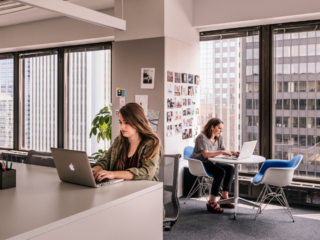
What have you incorporated into your office to address neurodiversity and stress management?
We’ve made a few thoughtful changes that help everyone breathe a little easier:
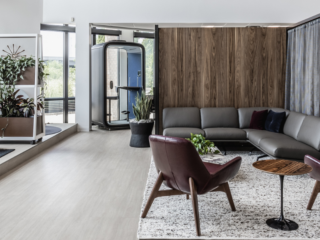
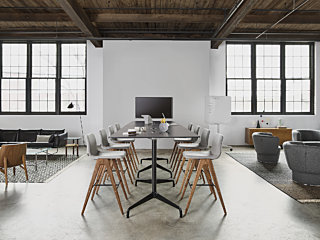
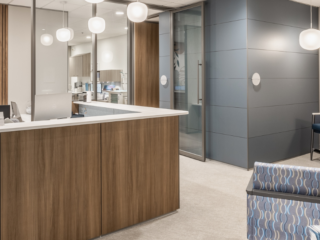
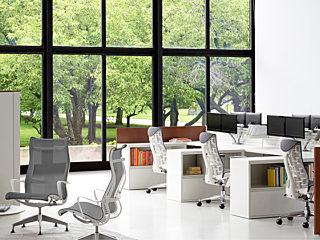
Added small conference rooms so people can grab a quiet spot to focus or collaborate without feeling like they’re in a fishbowl.
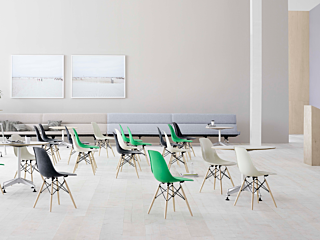
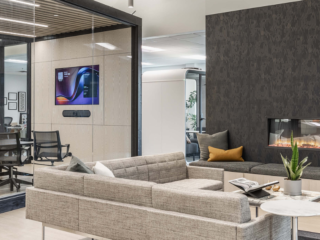
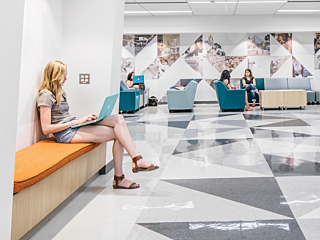
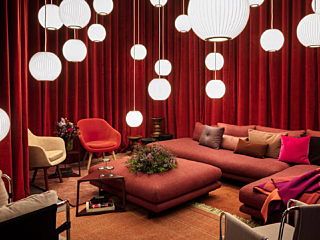
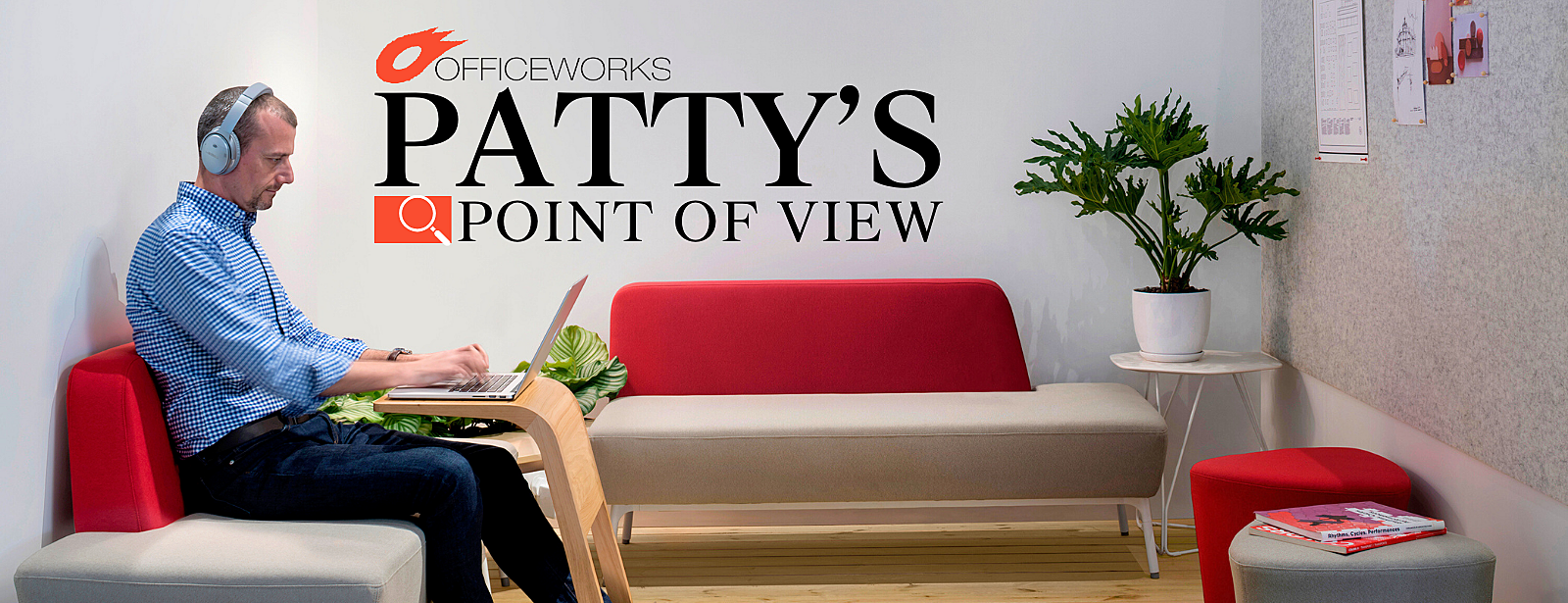
Created social areas for chatting, checking email, or just relaxing.
Encourage open, judgment-free conversations about challenges.
Flexible start and end times, with core hours of 9–5.
Breaks are “choose your own adventure” style, listen to music, go for a walk, or meditate.
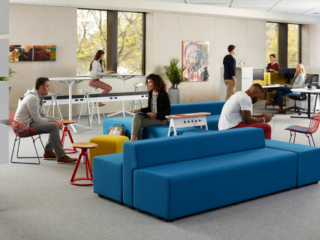
Do you have Gen Z in your office? If so, do you see stress and anxiety in that generation?
Absolutely. And they’re not alone, stress seems to be an equal-opportunity visitor in the workplace.
Gen Z tends to multitask like pros, working from home with kids, watching videos while working, and juggling 14 tabs open at once.
The flip side? It can make focus harder, especially without enough support spaces.
Balancing deadlines and workloads without burnout is tricky for all generations.

How are you addressing wellness and culture initiatives?
We try to make well-being feel less like a corporate program and more like part of daily life:
Flexible lunches, and if someone skips lunch, they can leave earlier.
Birthday celebrations, lunch-and-learns, and monthly project reviews.
A “lunch club” for employees to connect.
A hands-on intern program, site visits, and a first-week mini project to help them meet people and feel part of the team.
The takeaway? We’ll keep finding ways to help our team manage stress, connect with each other, and enjoy work a little more.