






Neurodiversity in the Workplace
Did you know that 15–20% of the workforce is neurodivergent? That’s a significant portion of your team who might not thrive in the traditional noisy, overstimulating chaos zone. The good news is that simple design changes can make a difference in supporting them.

Neurodiversity in the Workplace: Where Everyone Belongs!
Did you know that 15–20% of the workforce is neurodivergent? That’s a significant portion of your team who might not thrive in the traditional noisy, overstimulating chaos zone. The good news is that simple design changes can make a huge difference in supporting them, and they benefit everyone. According to Gensler, creating a more inclusive workspace doesn’t have to be complicated.

How to create a more inclusive workspace:
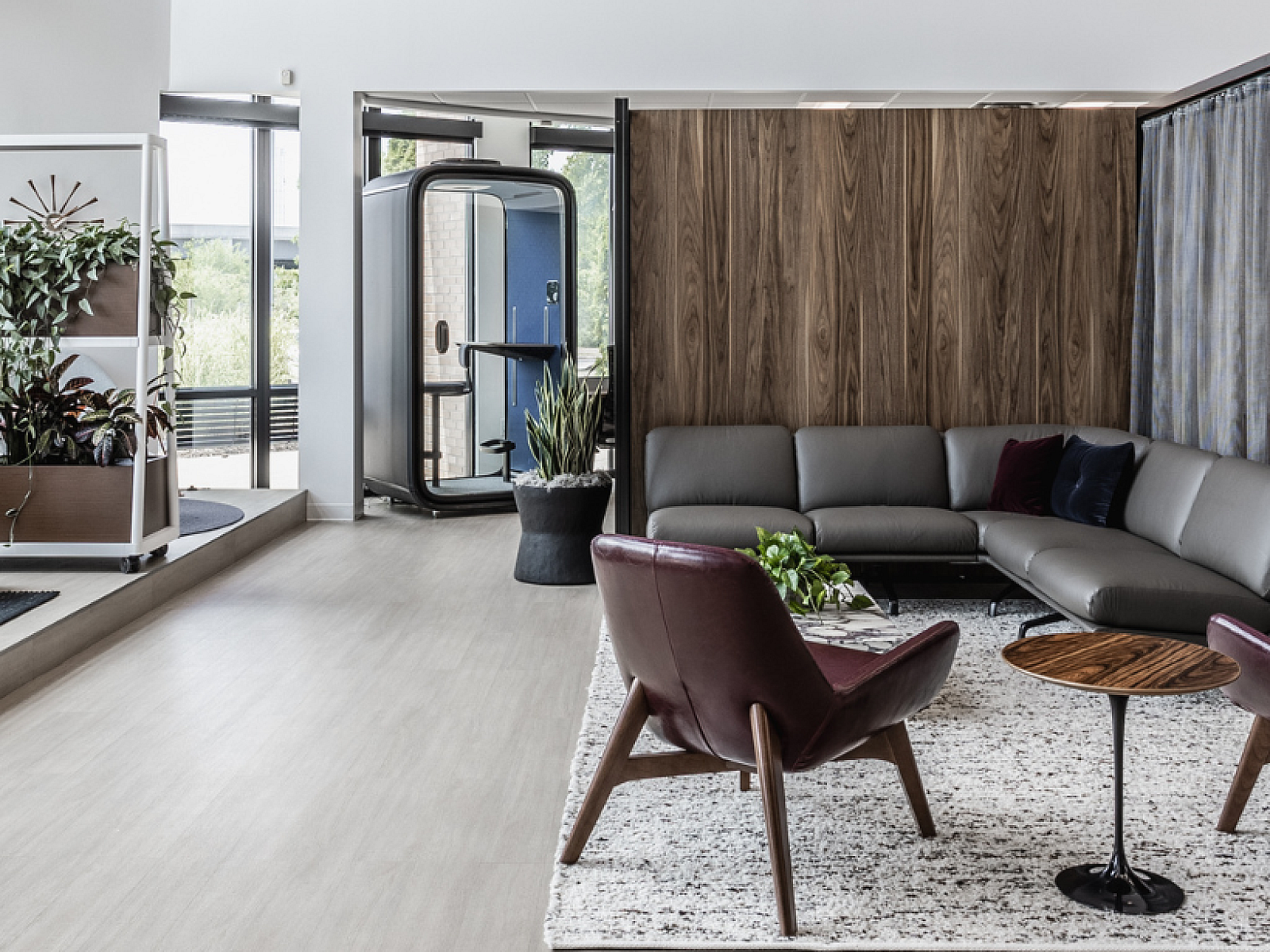
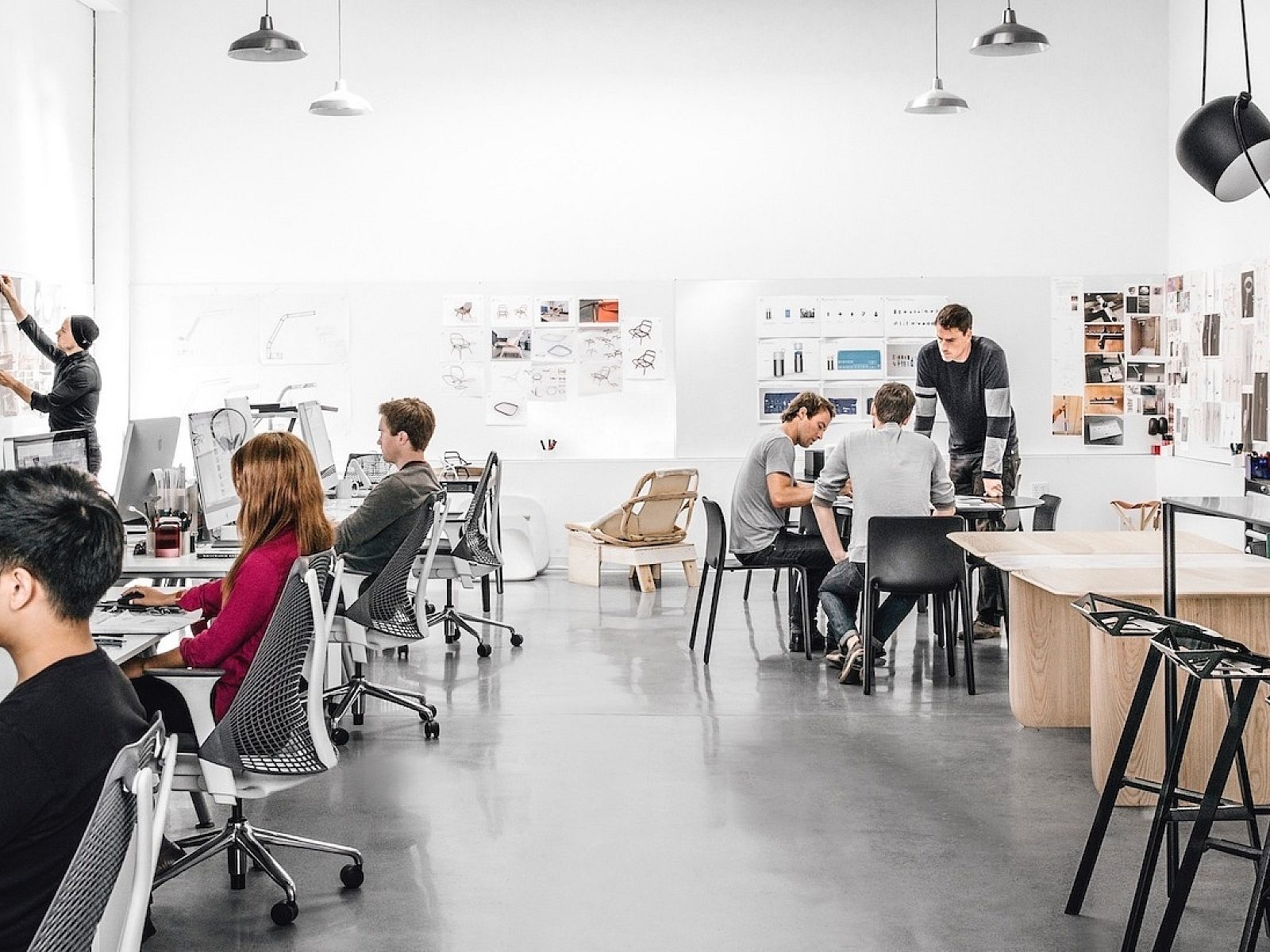
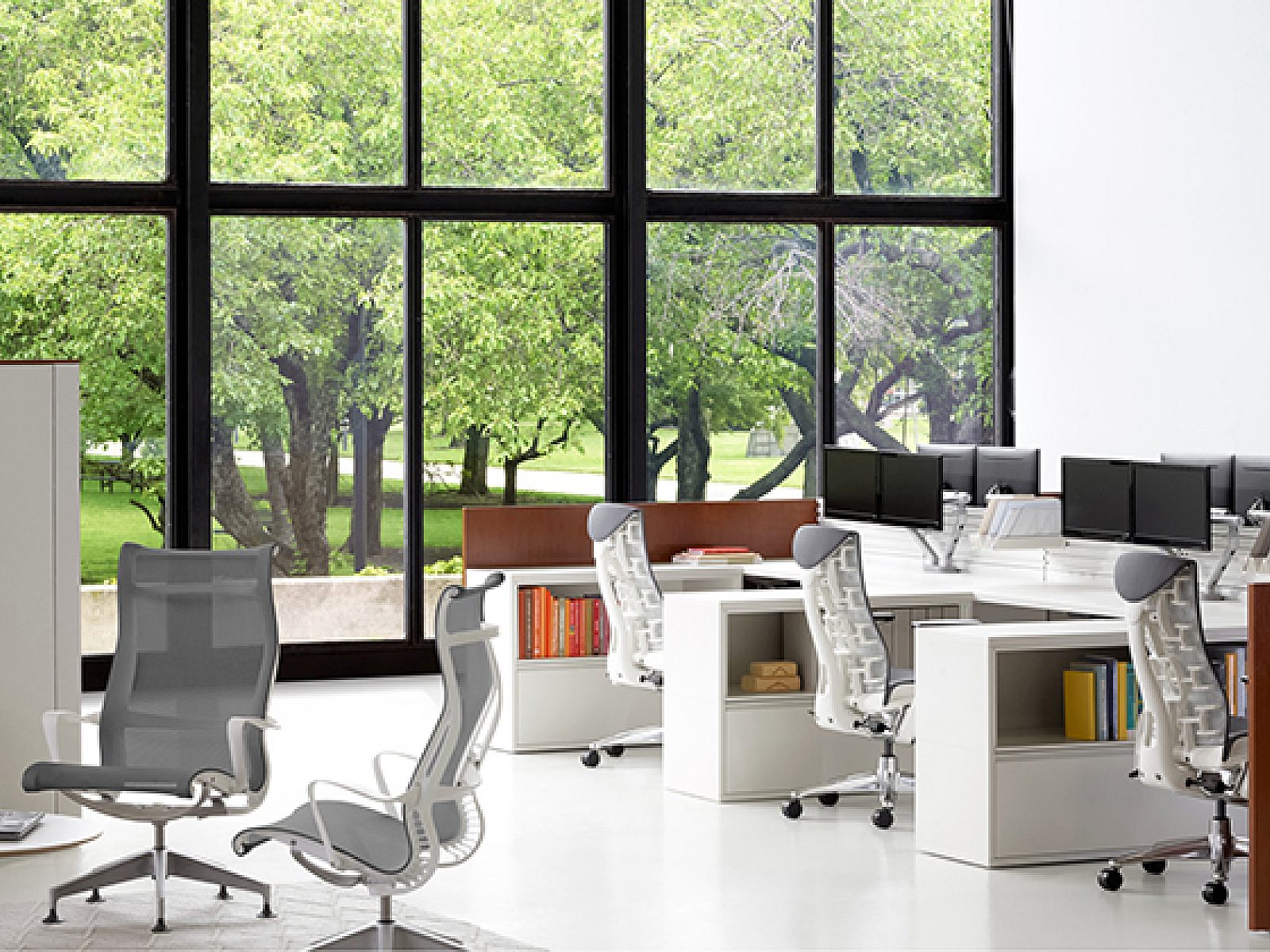
Quiet Zones: Perfect for heads down work, big ideas, or simply enjoying your third coffee in peace, because even brilliant minds need a little quiet.
Flexible Lighting: Ditch the harsh fluorescents and let people control their glow! Adjustable lighting helps everyone customize their space for comfort, focus, and doing their best work—whatever that looks like.
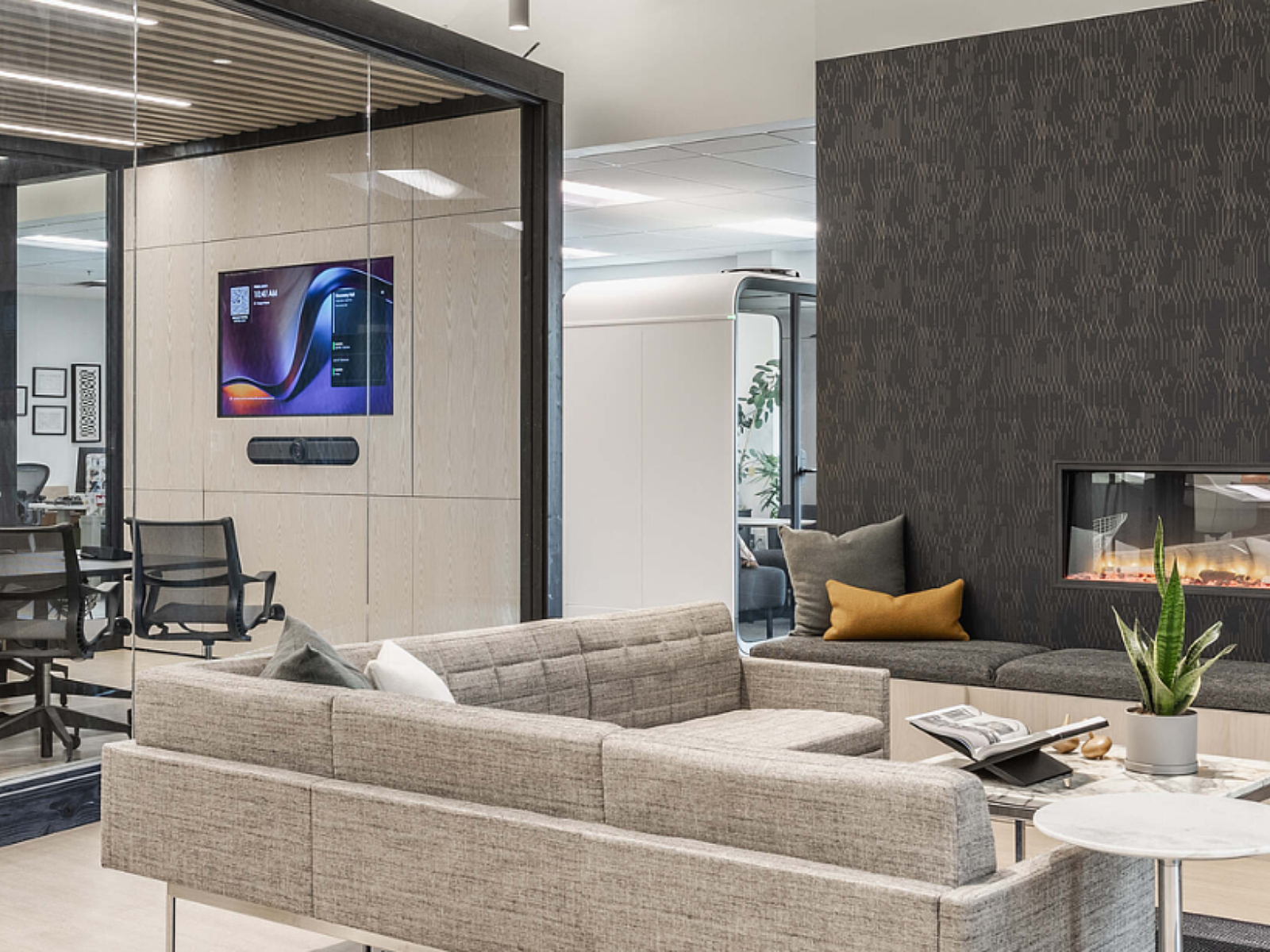
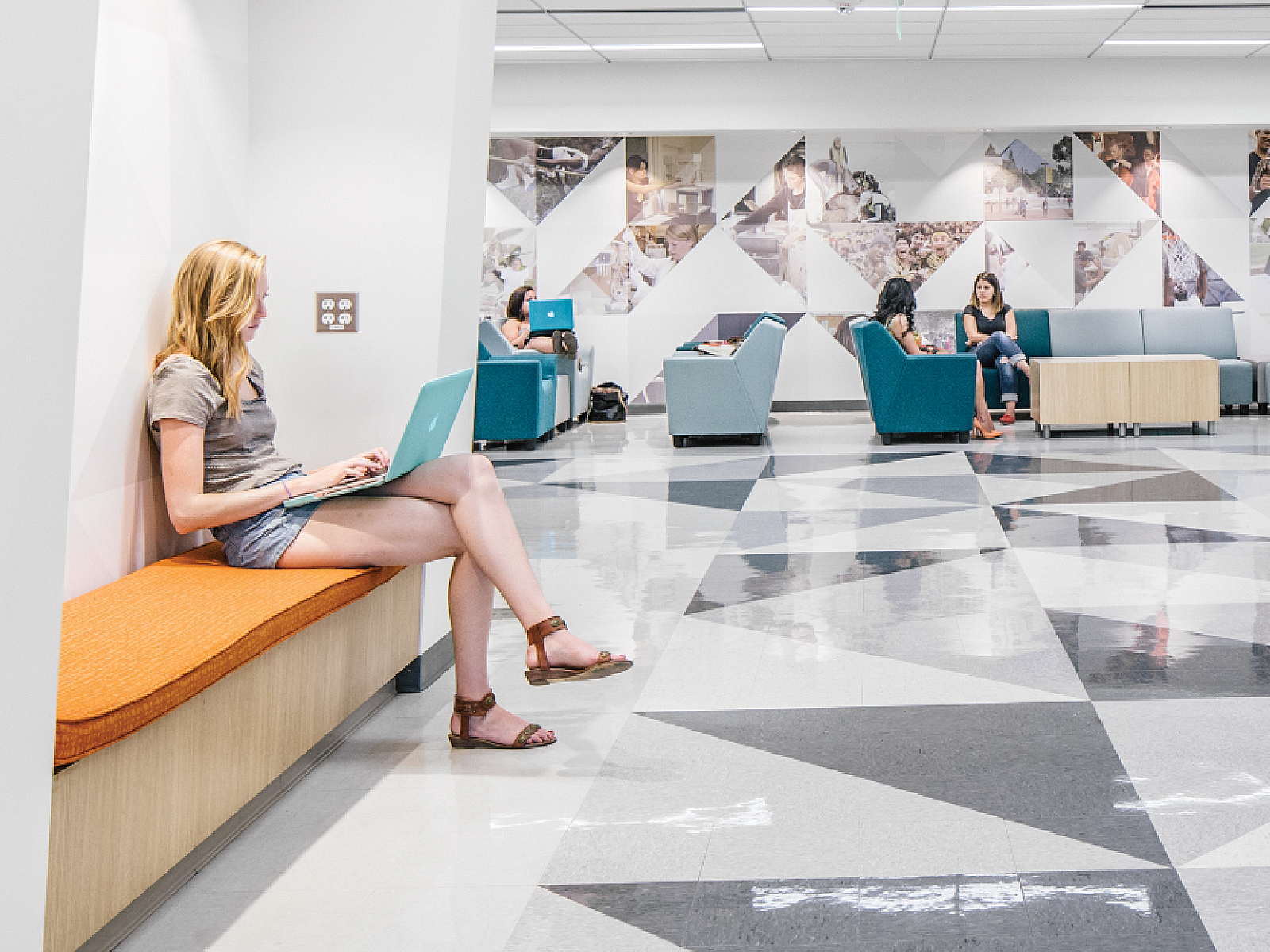
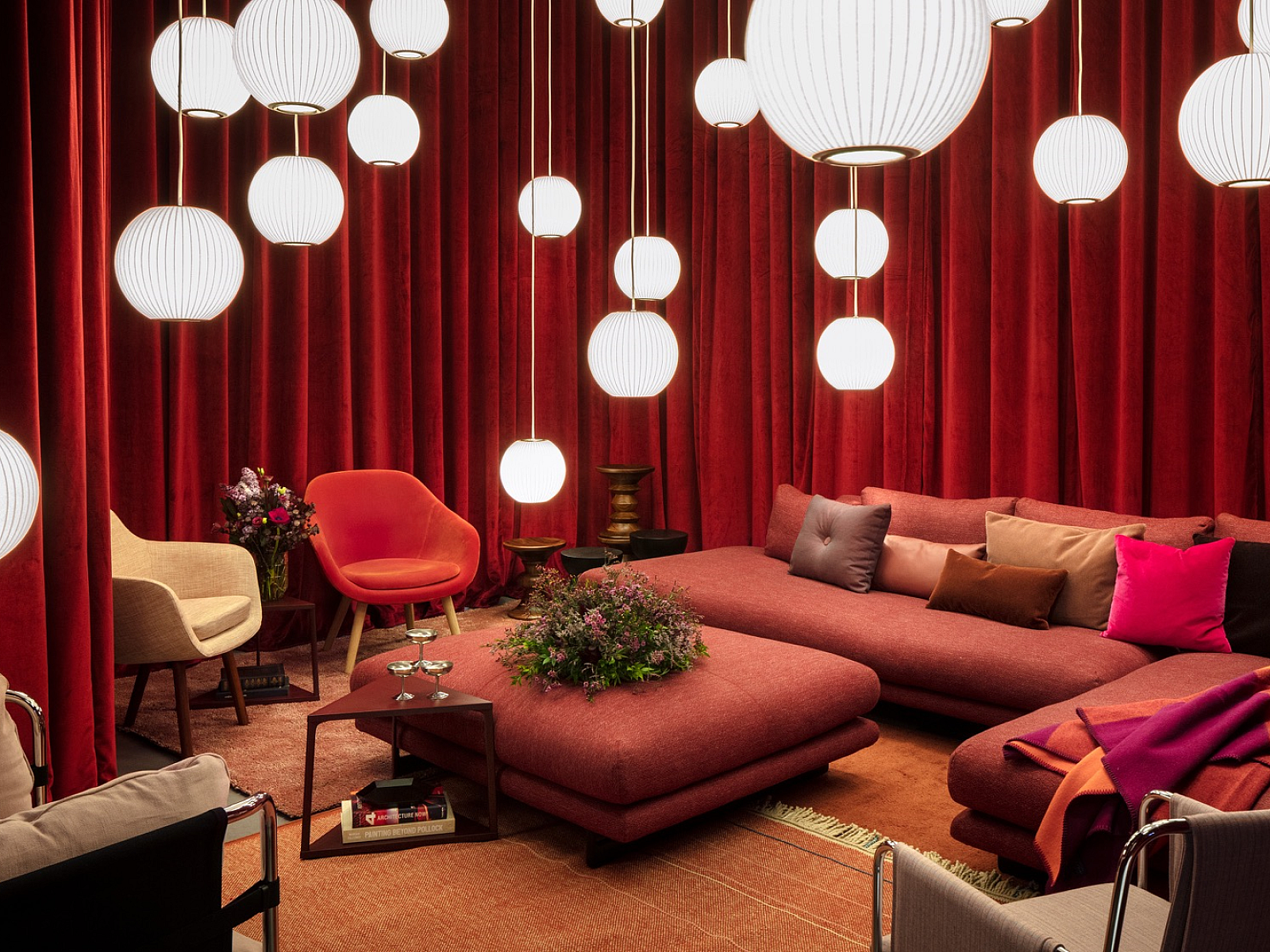
Retreat Spaces: Sometimes you just need five minutes away from the commotion. These cozy corners are perfect for recharging, whether you're clearing your head, catching your breath, or just enjoying a moment of calm.
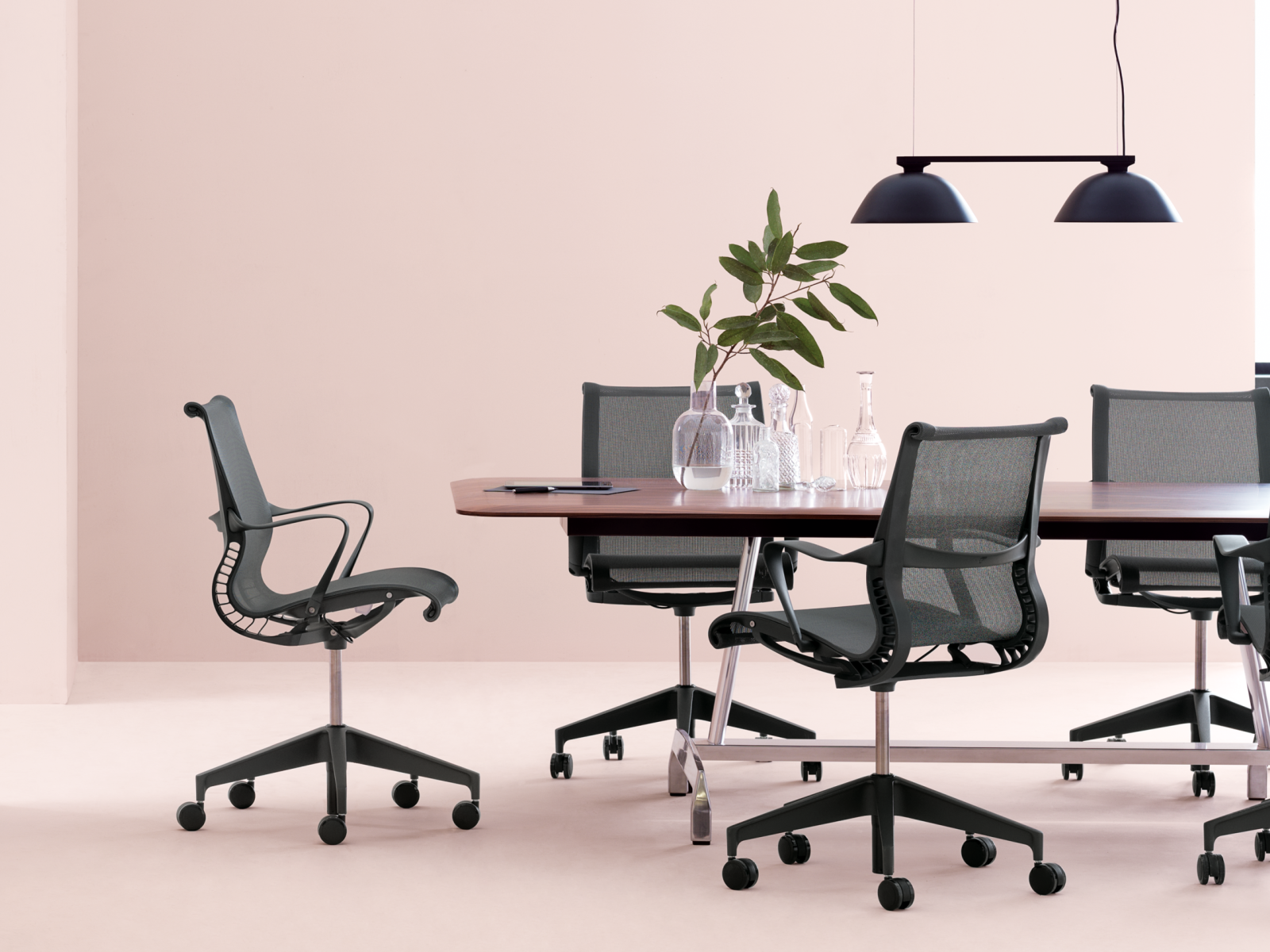
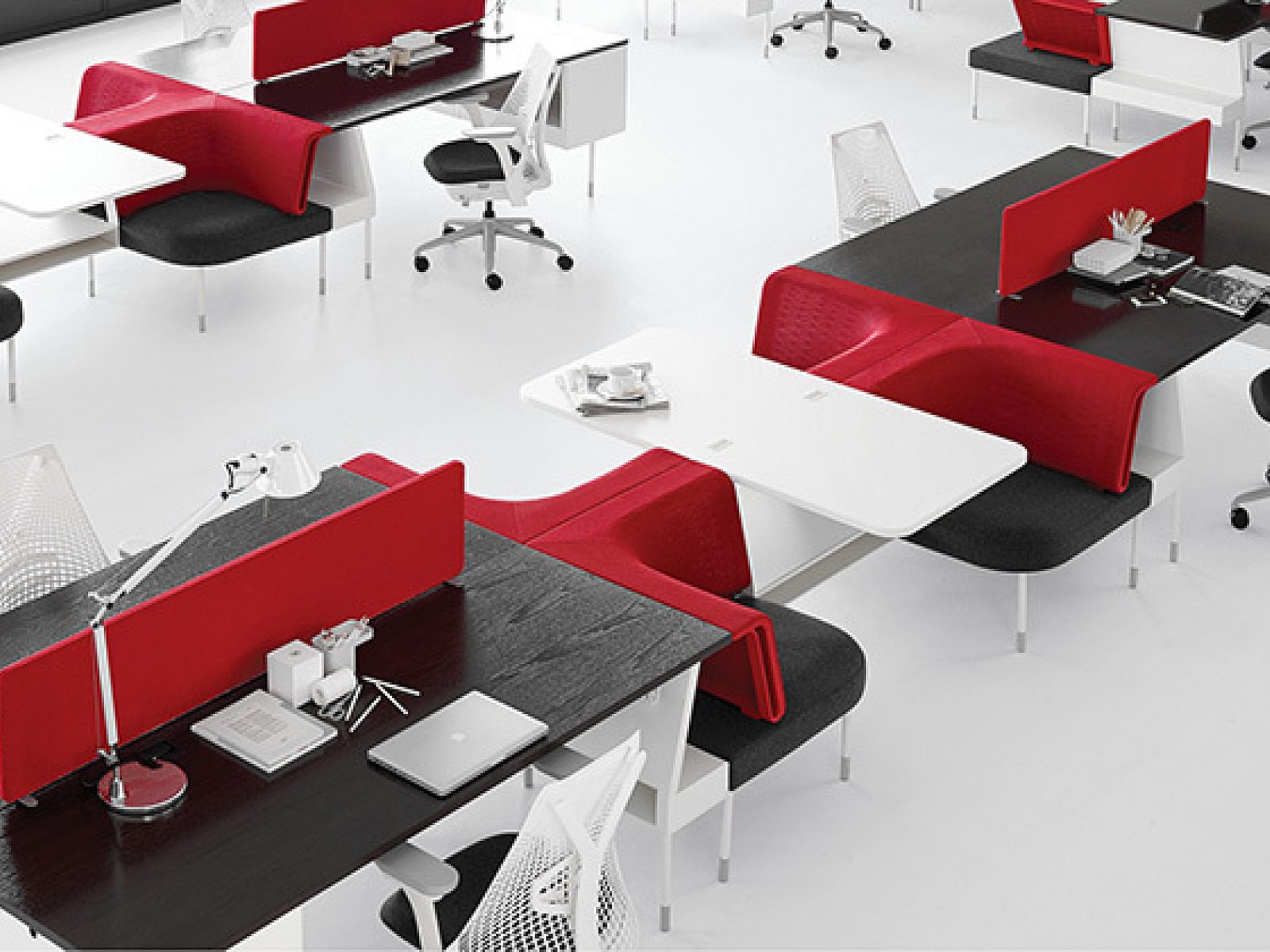
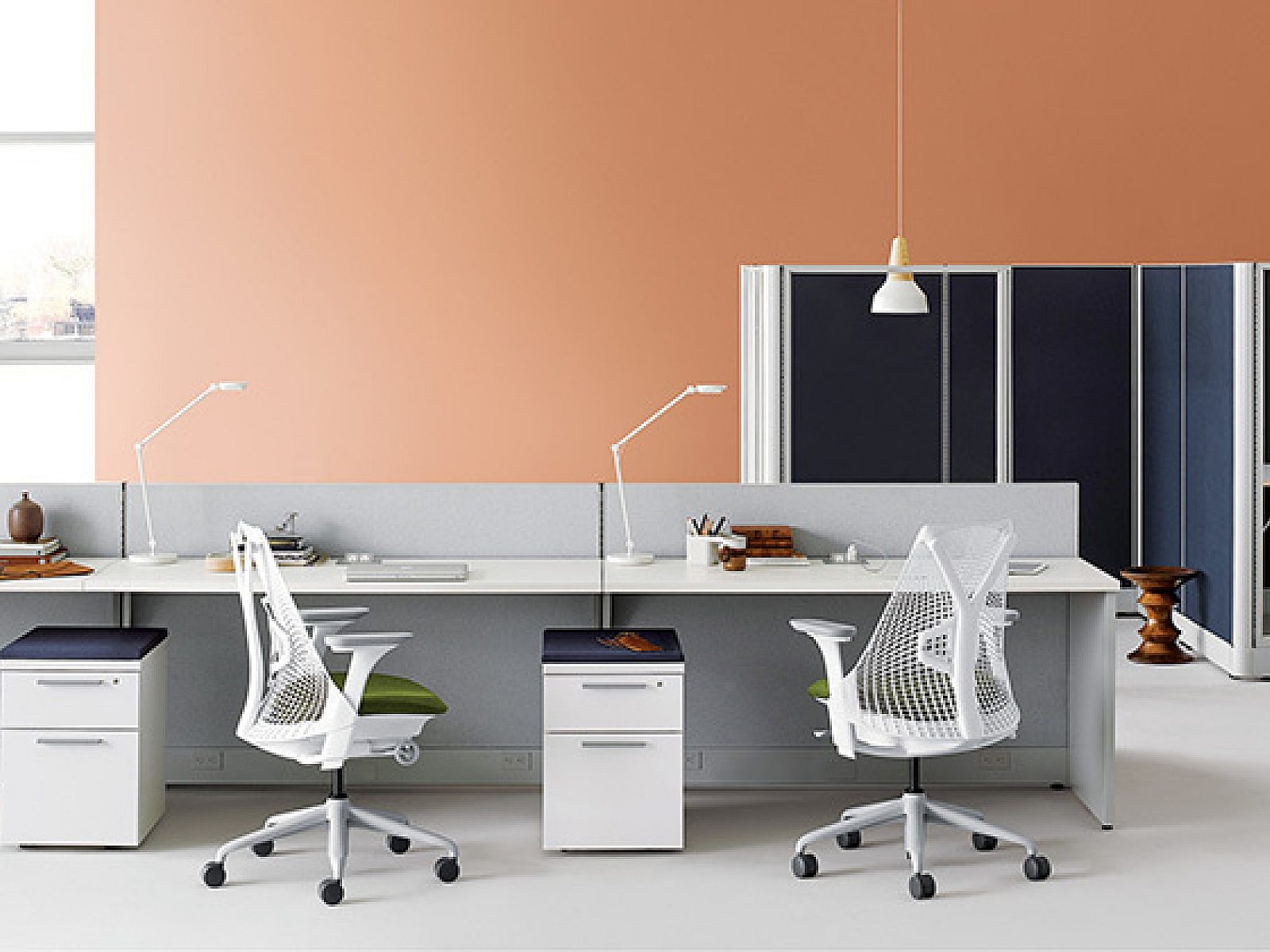
Customizable Workstations: Everyone works a little differently. Some need calm and minimal, others vibe with color, music, and movement. Letting people adjust lighting, seating, and setup gives them ownership of their space. When it feels like your space, it’s easier to stay focused, energized, and in the zone.
The best part? A neuro-inclusive workspace benefits everyone. When the space works for those who process the world differently, it works for everyone else too.

Neurodiversity 101
Neurodivergent: People whose brains work differently (like with Autism, ADHD, Dyslexia, etc.).
Neurotypical: People whose brains function similarly to most people.
Neuro-Inclusive Design: It’s not just about physical accessibility; it’s about creating an environment that works for all cognitive and sensory profiles. This means less anxiety and more productivity for everyone.
Inclusive design is a journey: As we learn more, we can create better, more supportive spaces. Ready to make your workplace more inclusive? Let’s do it without another Zoom call during quiet time.
