




Ancillary Spaces in Education
Ancillary spaces are now central to campus life, designed to support focus, collaboration, and connection within flexible, multi-use environments.

Ancillary Spaces in Education
Ancillary spaces now play a central role in shaping the campus experience. What were once considered secondary areas, lounges, study zones, and commons, have evolved into high-impact environments that support how students learn, connect, and spend time throughout the day. Today, these spaces are designed to do more. They must flex between individual focus and group interaction, balance quiet and active use, and integrate the tools and infrastructure that support modern learning behaviors.

The Shift in Expectations
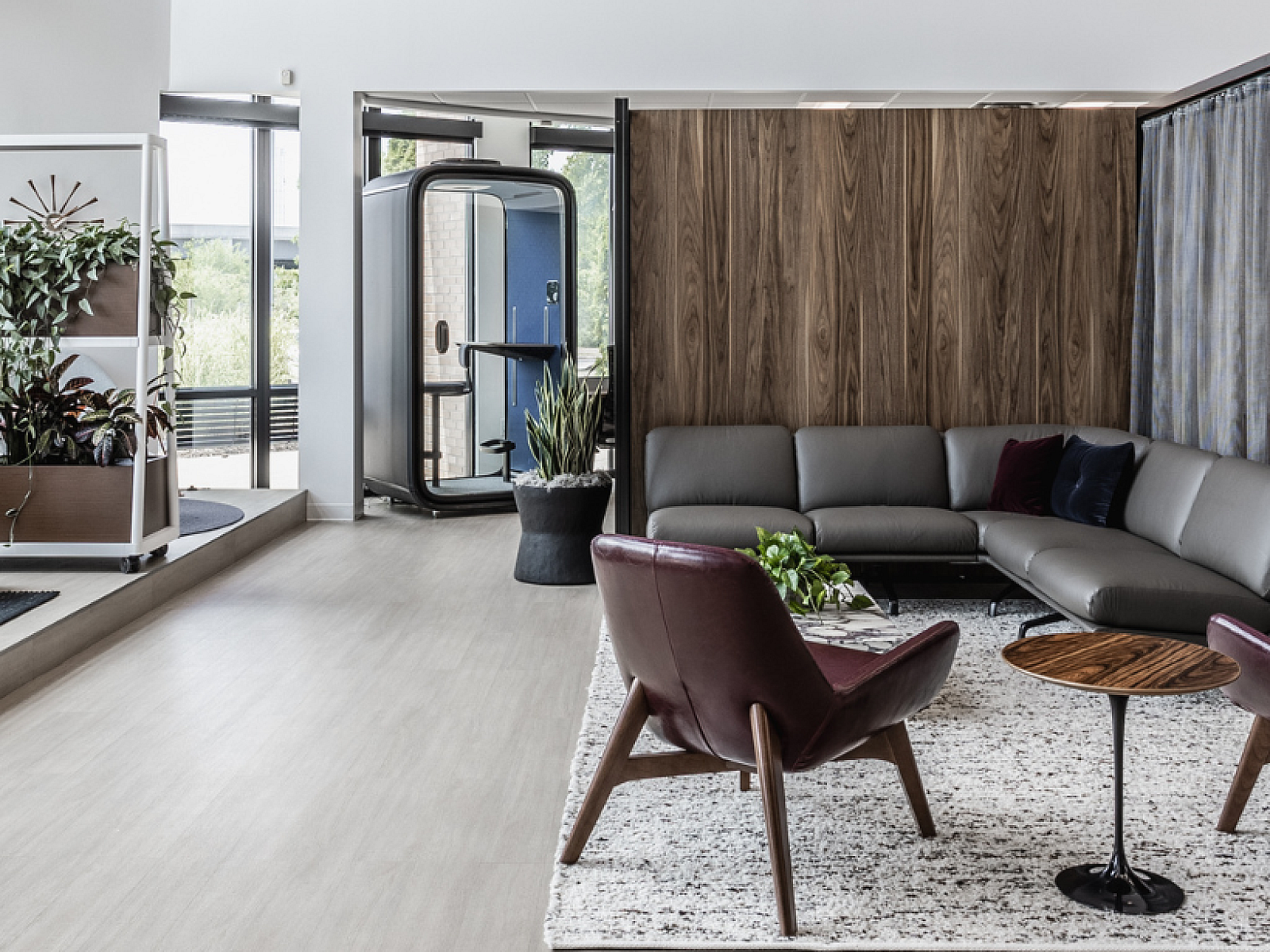
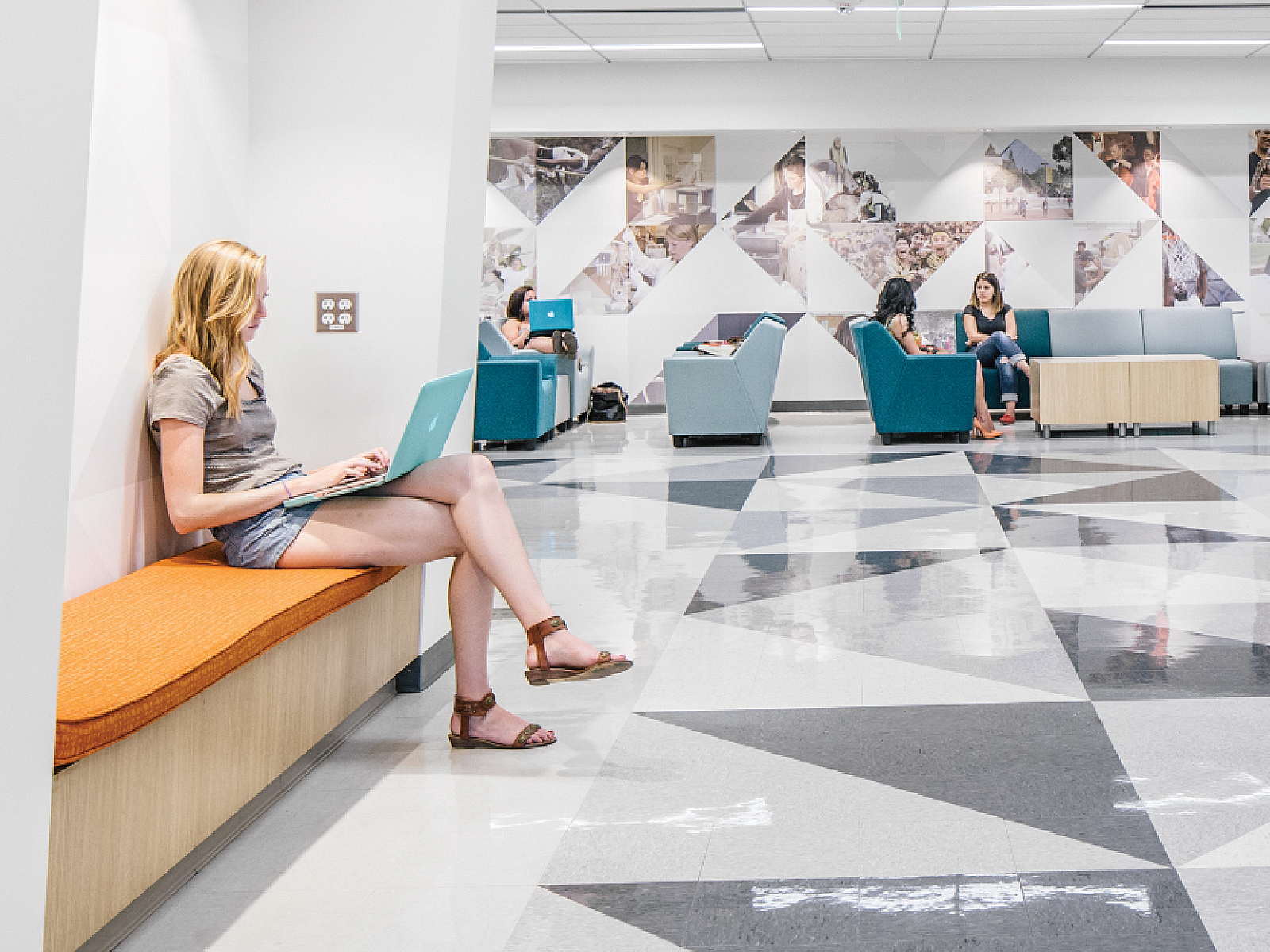
Student lounges and private study areas have shifted from single-purpose to multi-functional environments. Today’s campuses expect these spaces to support a range of activities, from individual focus to group collaboration, while adapting throughout the day and accommodating different learning styles.
Flexibility is essential. Furniture and layouts should easily transition between quiet and active use, creating environments that feel intuitive and responsive to how students work.
These spaces are also expected to:
Integrate power and technology
Support acoustic comfort
Adapt to a variety of use cases

Designed for How Students Live and Learn
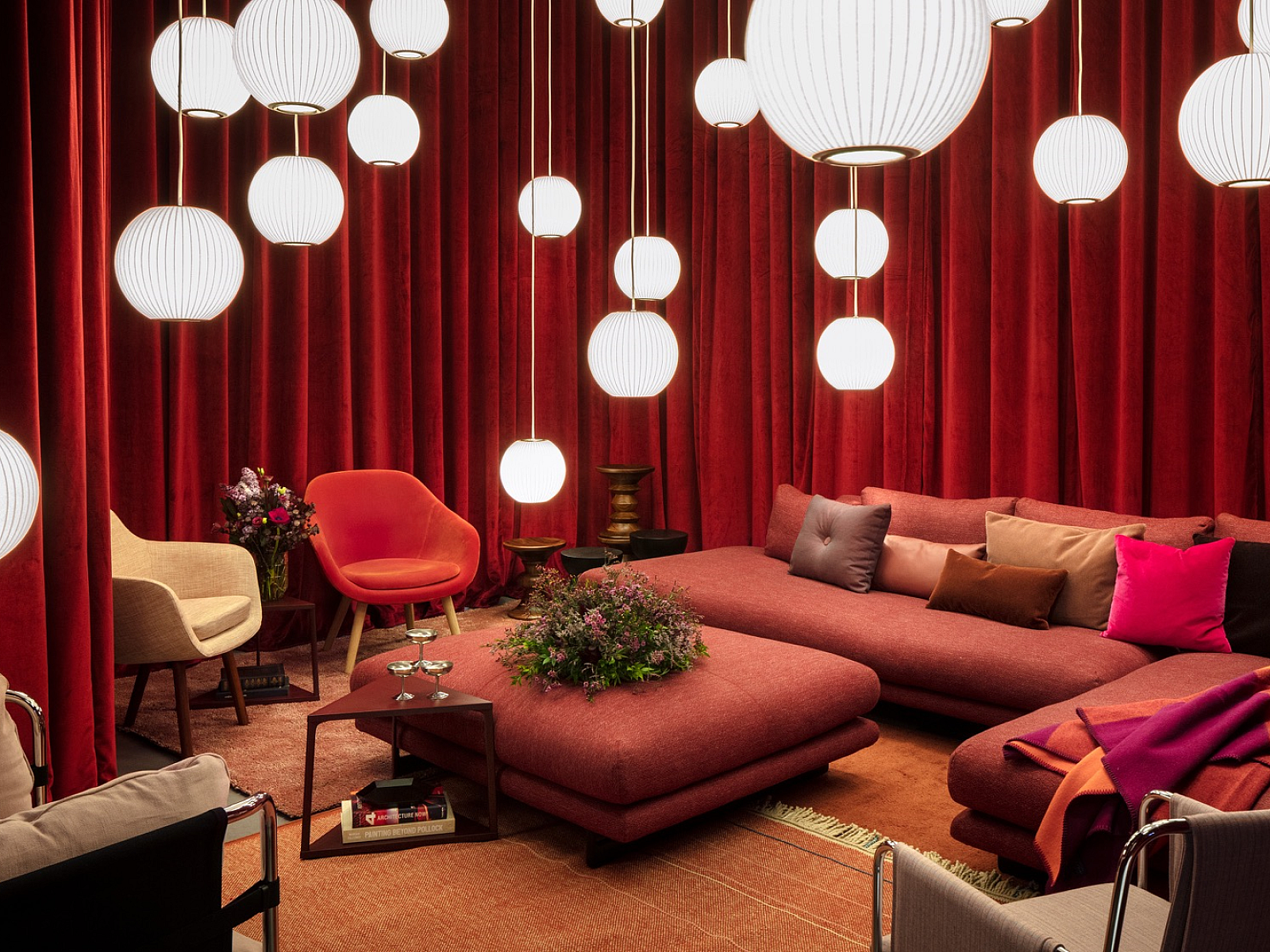
There’s a clear move away from institutional design toward spaces that feel more comfortable and intuitive. Warmer materials, softer palettes, and a mix of settings create environments where students feel more at ease. These choices support well-being, accommodate different work styles, and give students a greater sense of ownership in how they use a space.
See how this shows up across key campus spaces below.
Student Lounge
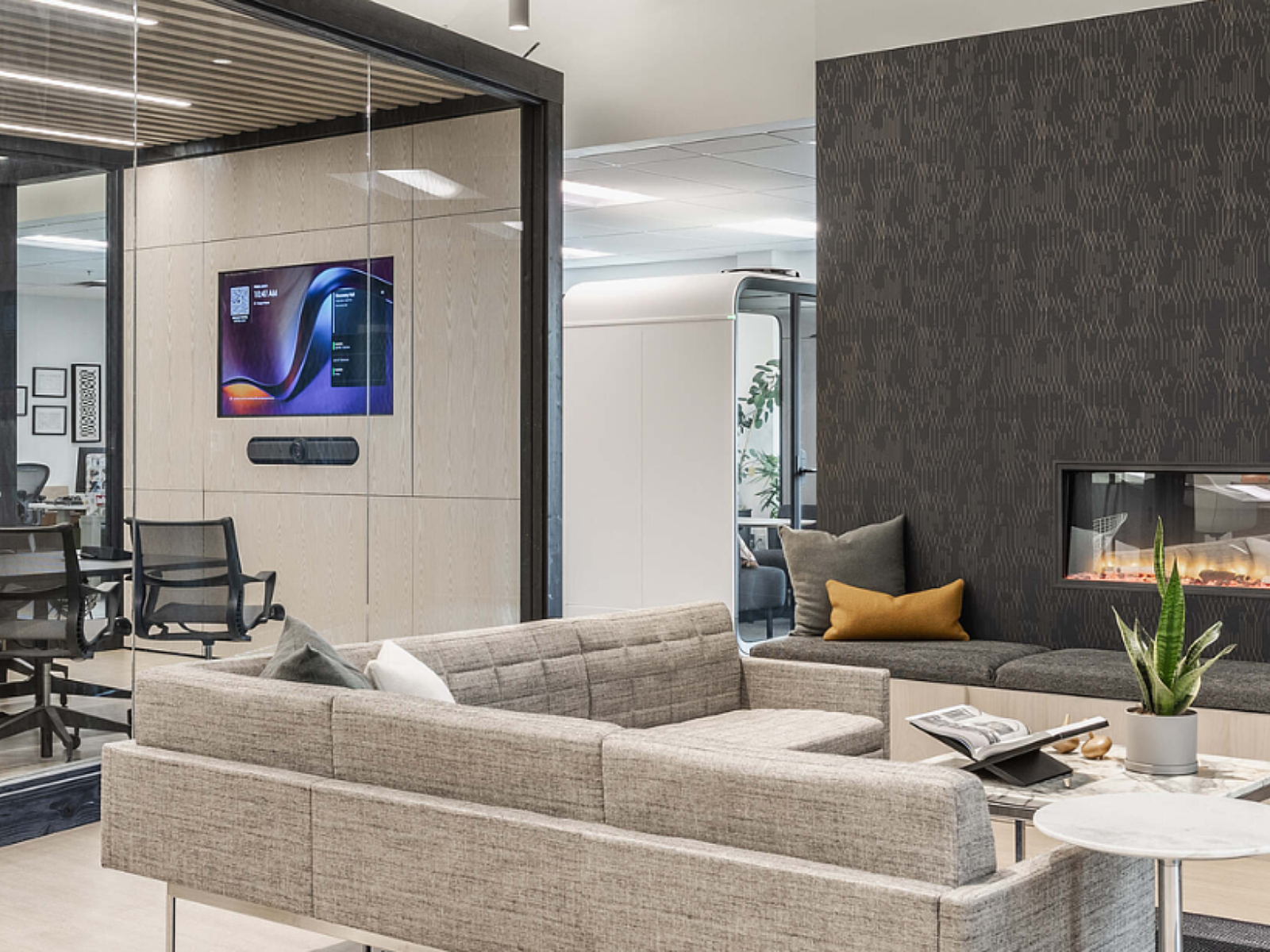
Open, social environments designed for everyday use and informal collaboration.

Outline Highback
The Outline Highback Work combines the soft, deep seat and clean refined lines of the Outline series with a highback element and functional elements, allowing for the design to create an acoustic and spatial shelter to work and focus on the given task at hand.

About A Chair
Perfect for dining or working, it combines elegant aesthetics with ergonomic design, featuring a lower back and higher armrests for ultimate support.

Rockwell Unscripted Tall Tables
From Knoll and David Rockwell, renowned for creating places where people want to be, comes an unrivaled work experience Designed to let spontaneity unfold and people complete the story.
Student Dining
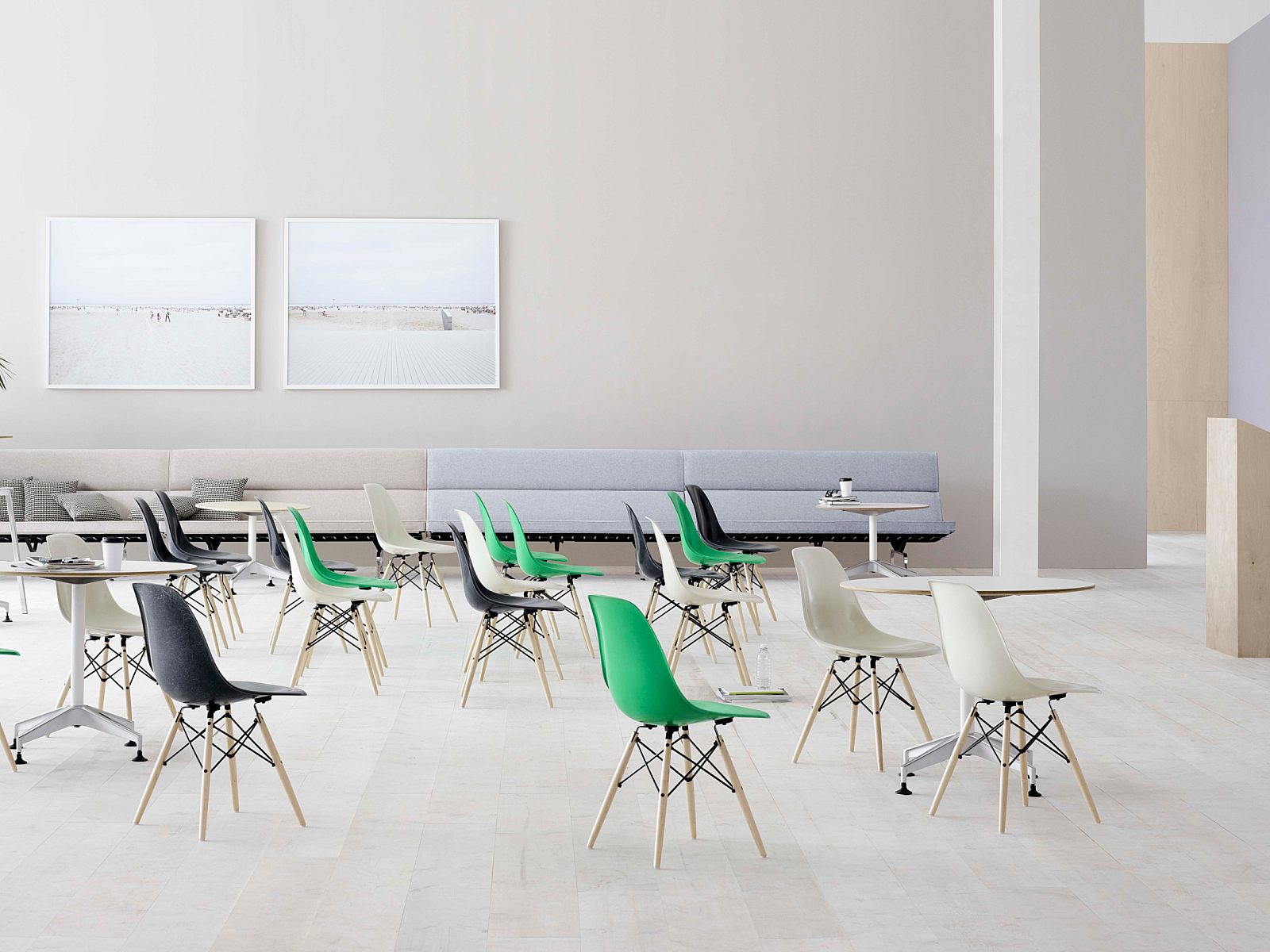
Spaces that support connection and flexibility beyond dining hours.

Headway Conference Table Communal
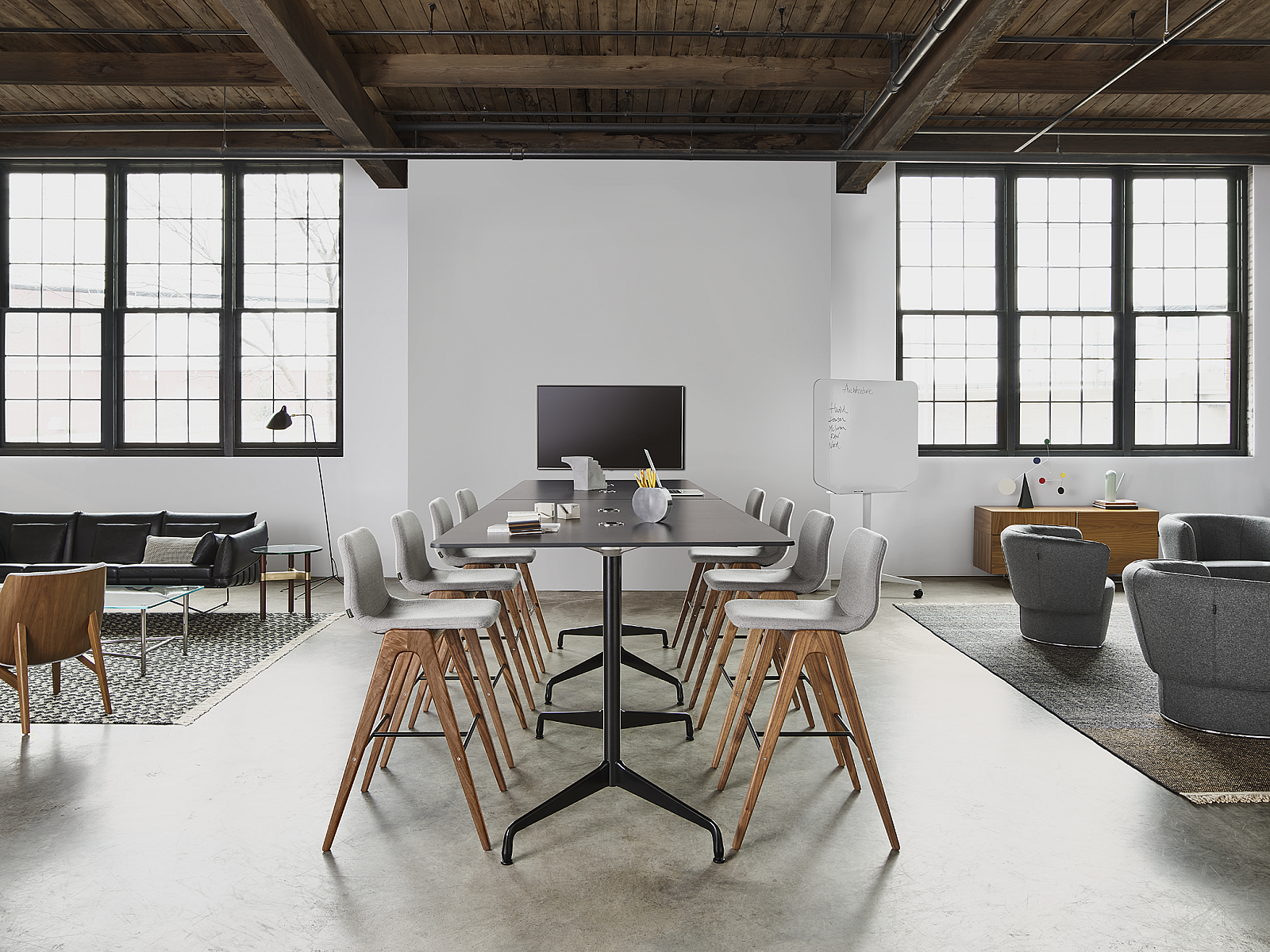
With an impressive array of shapes, finishes, configurations, and options, you can customize Headway to fit any modern meeting room.

Fiber Counter Chair
The Fiber Chair is designed with friendly, embracing curves that provide extensive comfort to its user while taking up little space in the room.

Hue Sofa
Hue is designed for dividing, creating and utiliszing awkward space whilst encouraging collaboration at a higher posture.
Private Study
Focused settings that offer varying levels of privacy and control.

Reframe Lounge Seat
Reframe Lounge Seating delivers comfort and a distinctive aesthetic to working lounge areas.

Pullman Desk
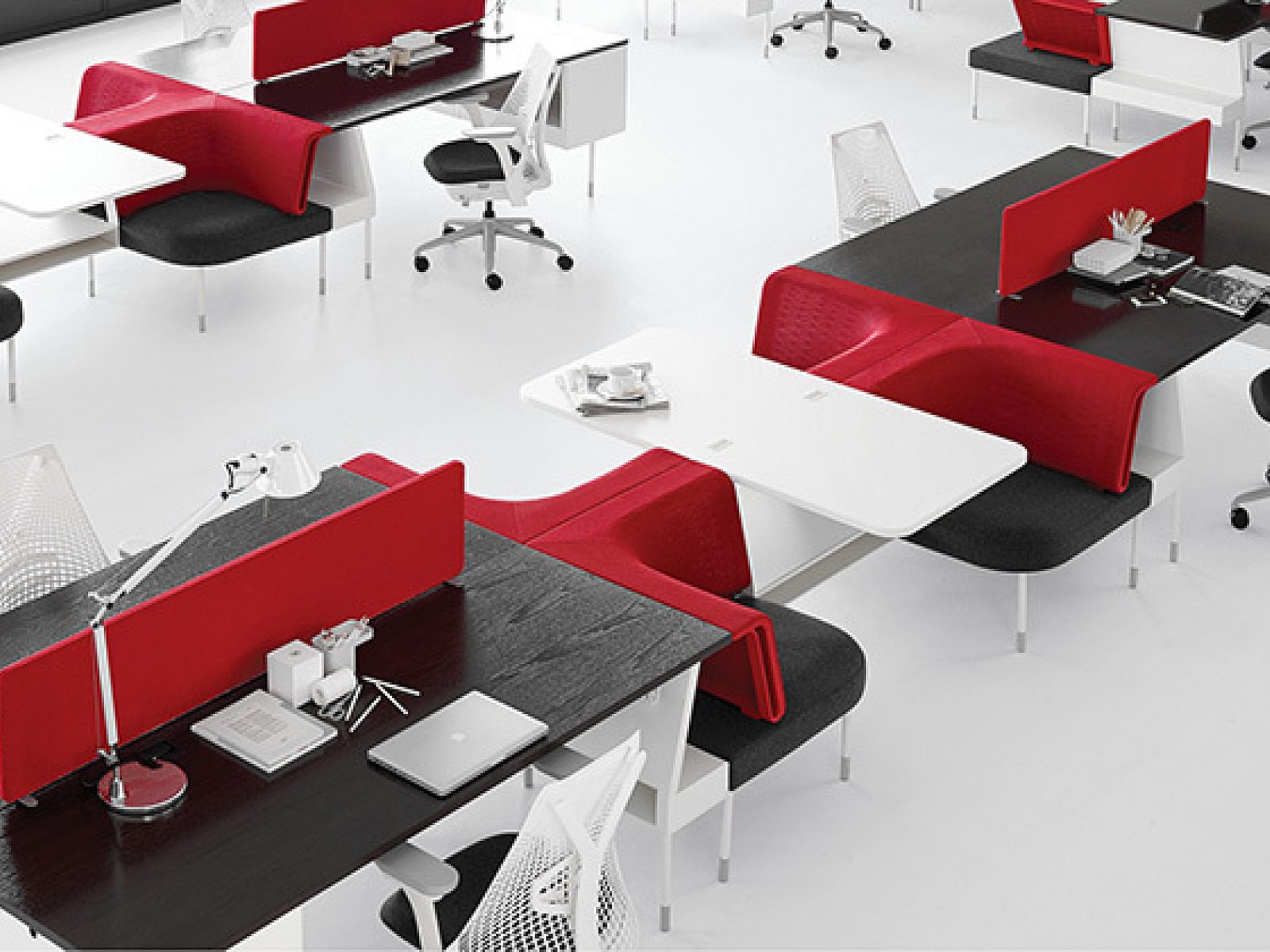
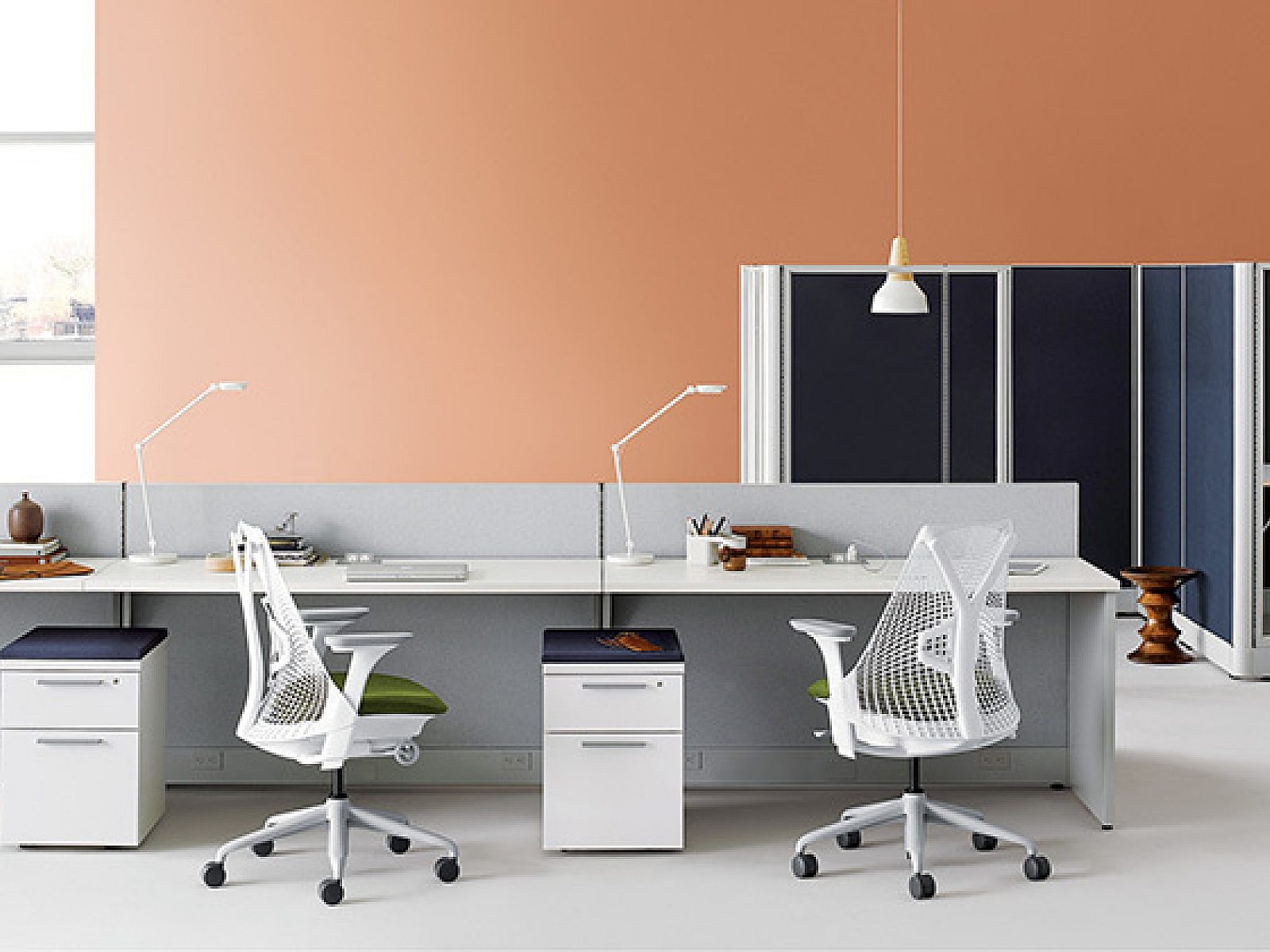
The Pullman Desk is designed to provide space for focused work or a quiet retreat without distractions in open plan spaces.

OE1 Agile Wall
OE1 Agile Walls are a solution for sub-architectural movable boundary within the open plan. These walls are part of the OE1 Workspace Collection.
Active Learning Classrooms
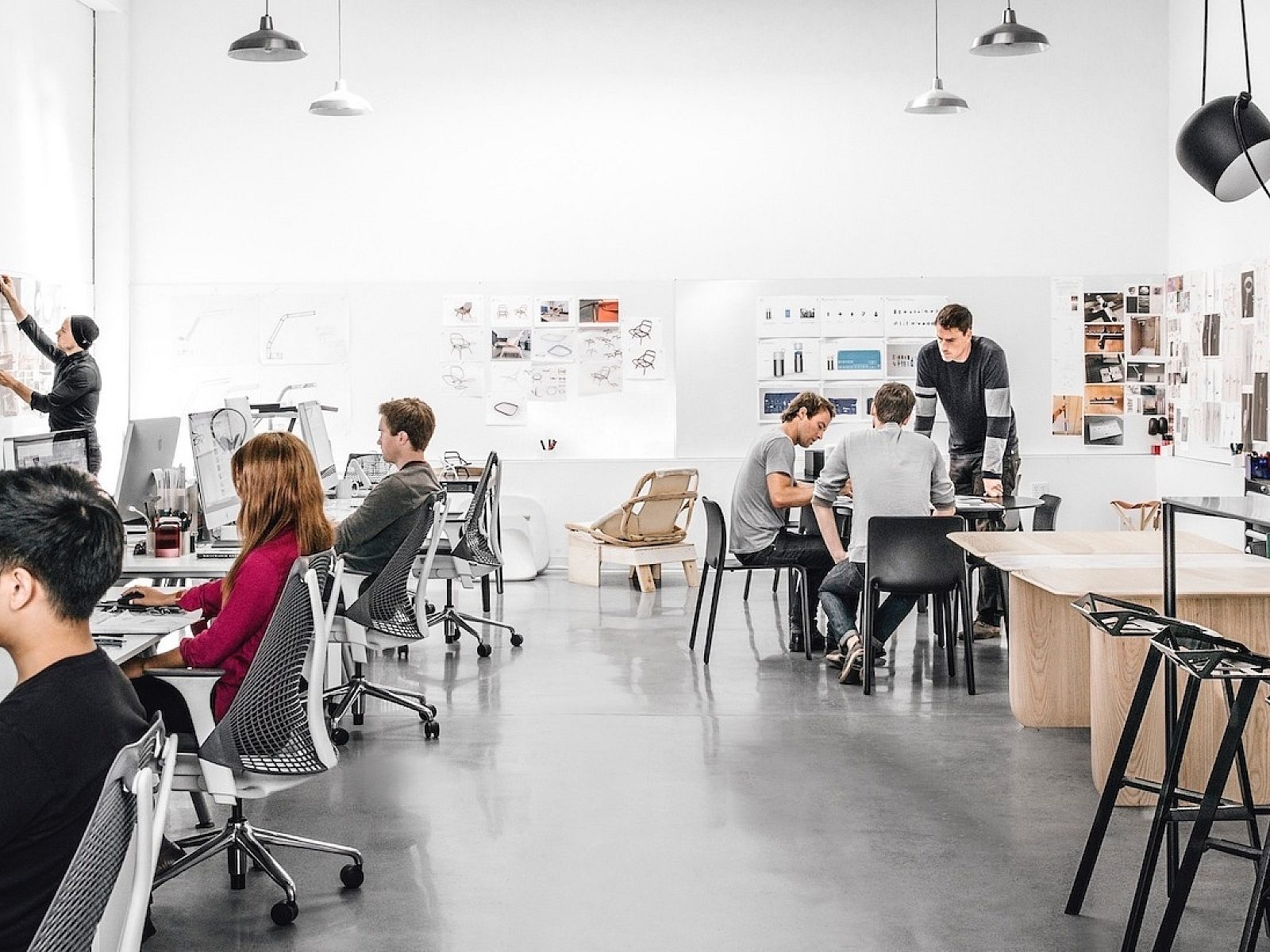
Agile spaces that adapt to different teaching styles and modes of engagement.

K. Lounge
k. lounge is a modular lounge collection for offices and spaces of any size and style. Pieces can be used freestanding, or linked together to create custom lounge configurations.

Fuld Nesting Chair
Designed by Stefan Diez, the space-saving Fuld Nesting Chair features a sleek inverted-Y shape, monochromatic color scheme, and a seat-back with a bit of flex.

Everywhere Tables
Everywhere collaborative furniture has fine lines, a refined aesthetic and works anywhere you decide to use it.

Why It Matters
Learning doesn’t stop at the classroom door. These in-between spaces play a direct role in student experience, from daily engagement to long-term retention. When designed with intention, they extend learning, support well-being, and create a stronger sense of community across campus.
